A closed position does not explain an unexpected drop. Keep a suspect door out of use.
A door that unexpectedly dropped or slammed shut is a stop-use event. Keep clear, do not pull the emergency release, and separate immediate access needs from the repair decision.
If someone is injured, trapped or in immediate danger, contact emergency services. Otherwise, keep the opening clear, prevent others from operating the door and arrange professional help. The steps below focus on what you can safely establish from the aftermath: the event sequence, the present position and the information a service provider needs before arrival.
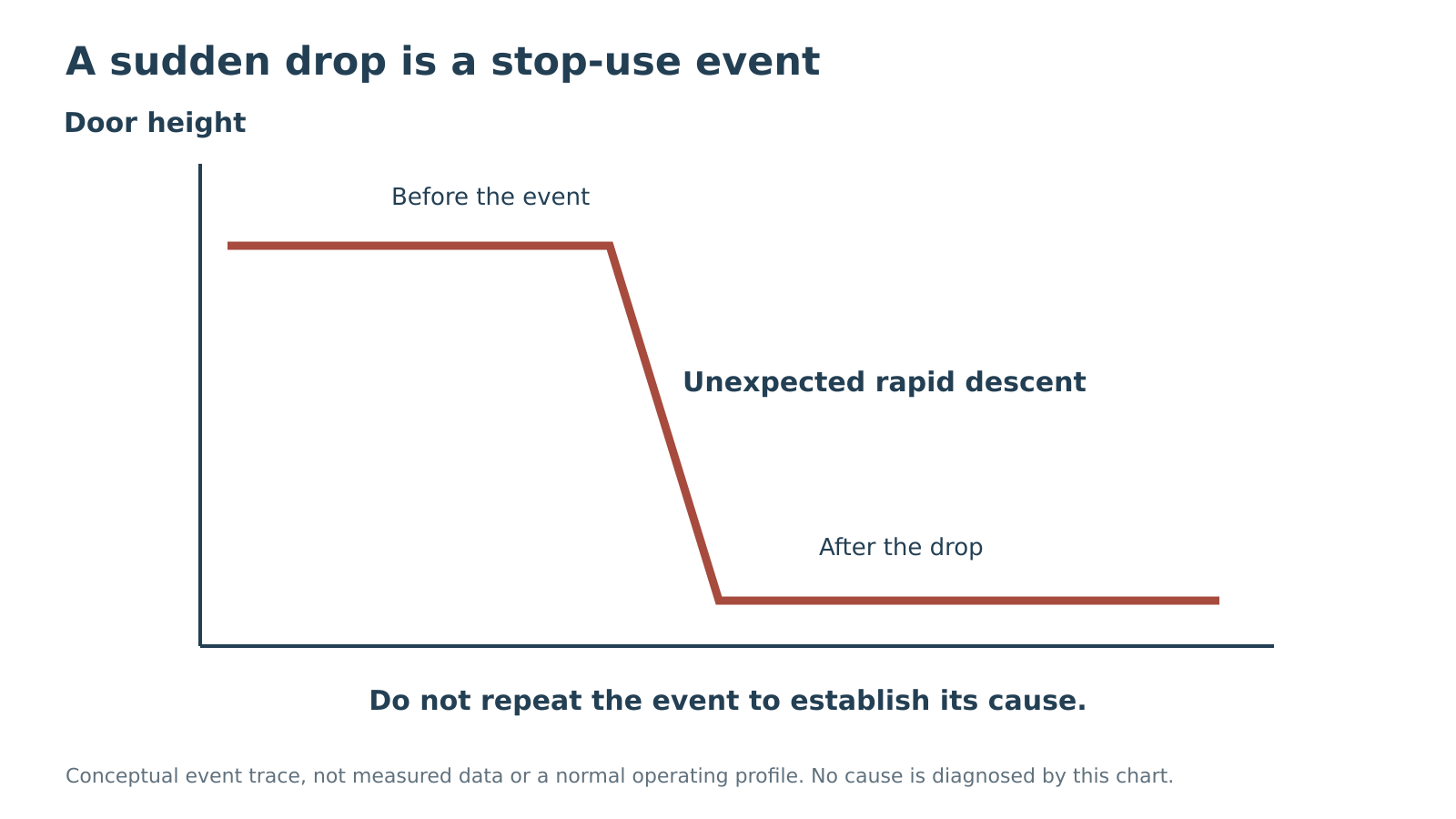
Describe the event before deciding which part broke
“Slammed shut” can describe more than one experience. The door may have fallen during manual use, moved down unexpectedly while connected to the opener, or hit the floor harder than usual at the end of a powered closing cycle. Those descriptions are not interchangeable. Tell the provider which one you actually witnessed.
Record whether the opener was running, whether anyone had already used the release, and whether the door had shown earlier symptoms. If you heard a bang from another room and found the door closed, distinguish that from seeing it fall. You do not need to assign a speed or estimate its weight; a plain account is enough to begin.
Genie identifies a door that crashes down as a possible balance warning. That makes the event significant, but it does not prove a particular spring has broken. Avoid ordering a spring or cable based only on the sound, a neighbor’s experience or a photograph of another door.
A useful opening sentence is: “The door dropped unexpectedly while closing, it is now fully down, and we have stopped operating it.” Add only what you know. If the sequence is unclear, say so; preserving uncertainty is better than sending the technician toward a guessed diagnosis.
 Select the diagram to view it at full size.
Its current position matters more than another test
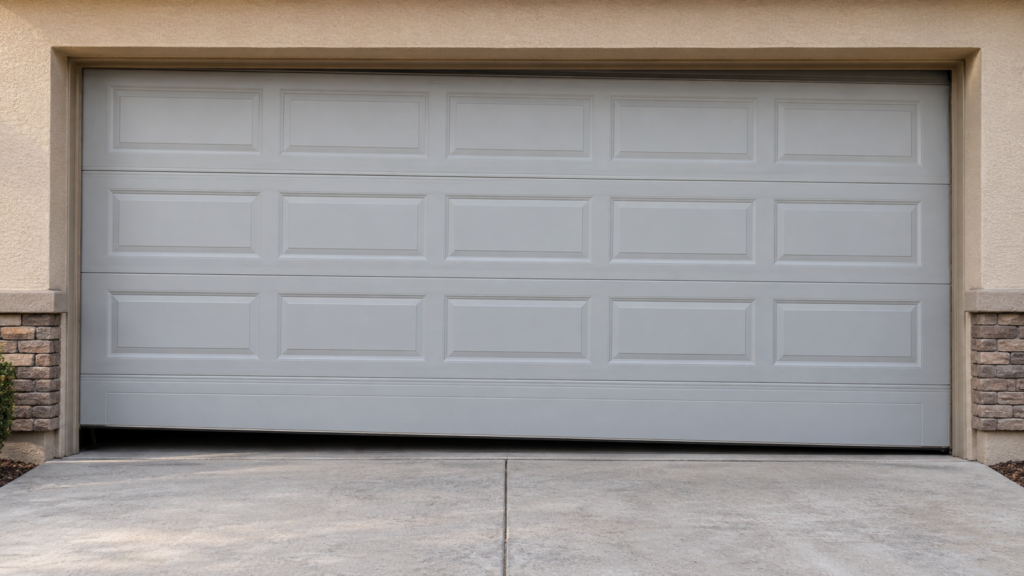
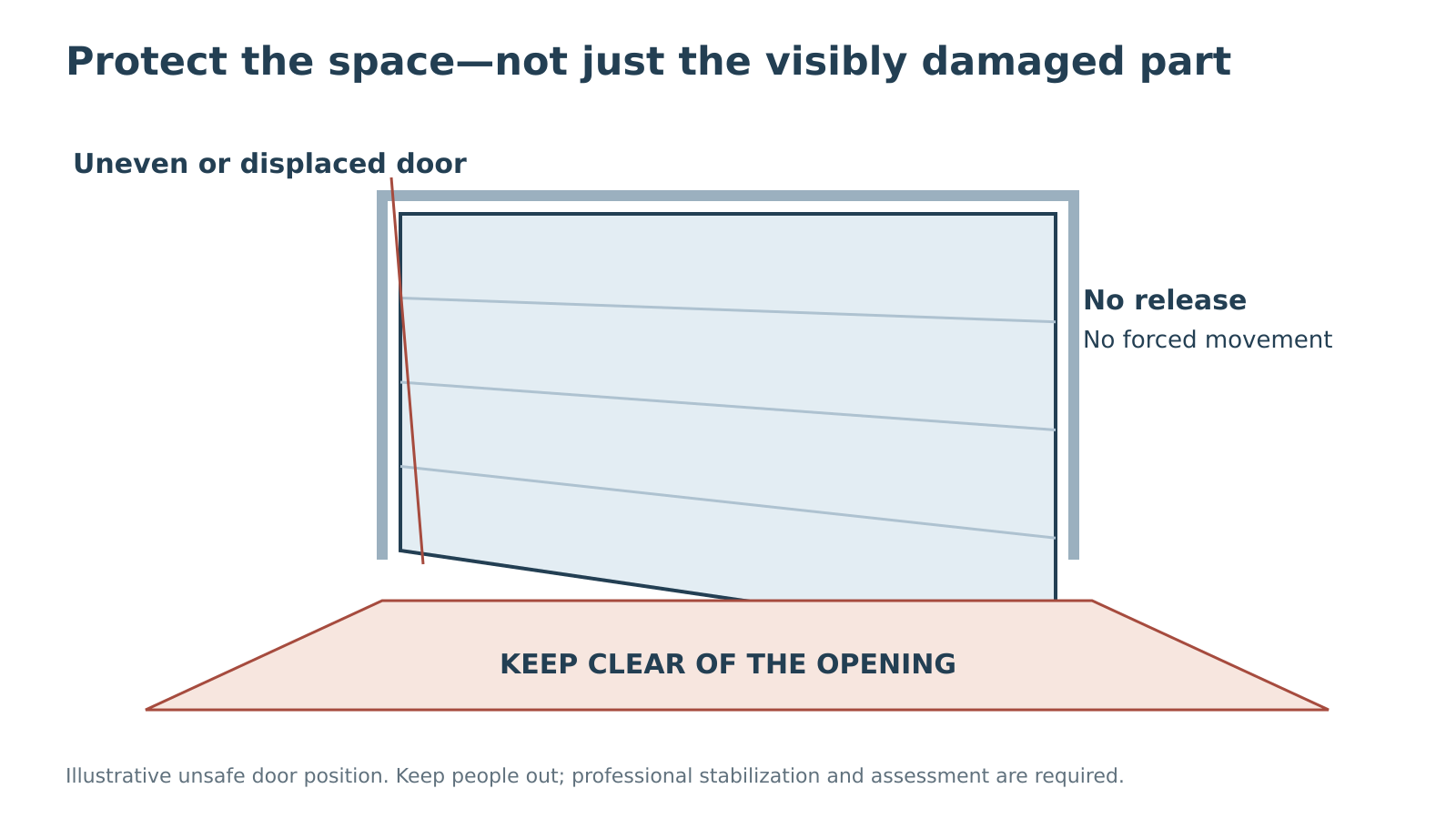
Report whether the door is fully down, partly open, tilted or visibly resting differently than before. “Closed” should describe what you can see, not imply that the system is now safe. A door on the floor may still have damaged or loaded components, and trying to raise it would introduce movement before the condition is understood.
Genie says not to operate a door with a broken spring or a jam, either manually or with the opener. The point for this situation is simple: once a sudden drop raises a mechanical concern, repeated operating attempts are not a safe way to rule that concern out.
Keep remotes out of use and tell everyone with access to the controls what happened. If household members use an app or arrive home independently, tell them not to send an opening command. Do not depend on a handwritten note inside the garage reaching someone who approaches from the driveway.
 Select the diagram to view it at full size.
Separate the access problem from the repair decision
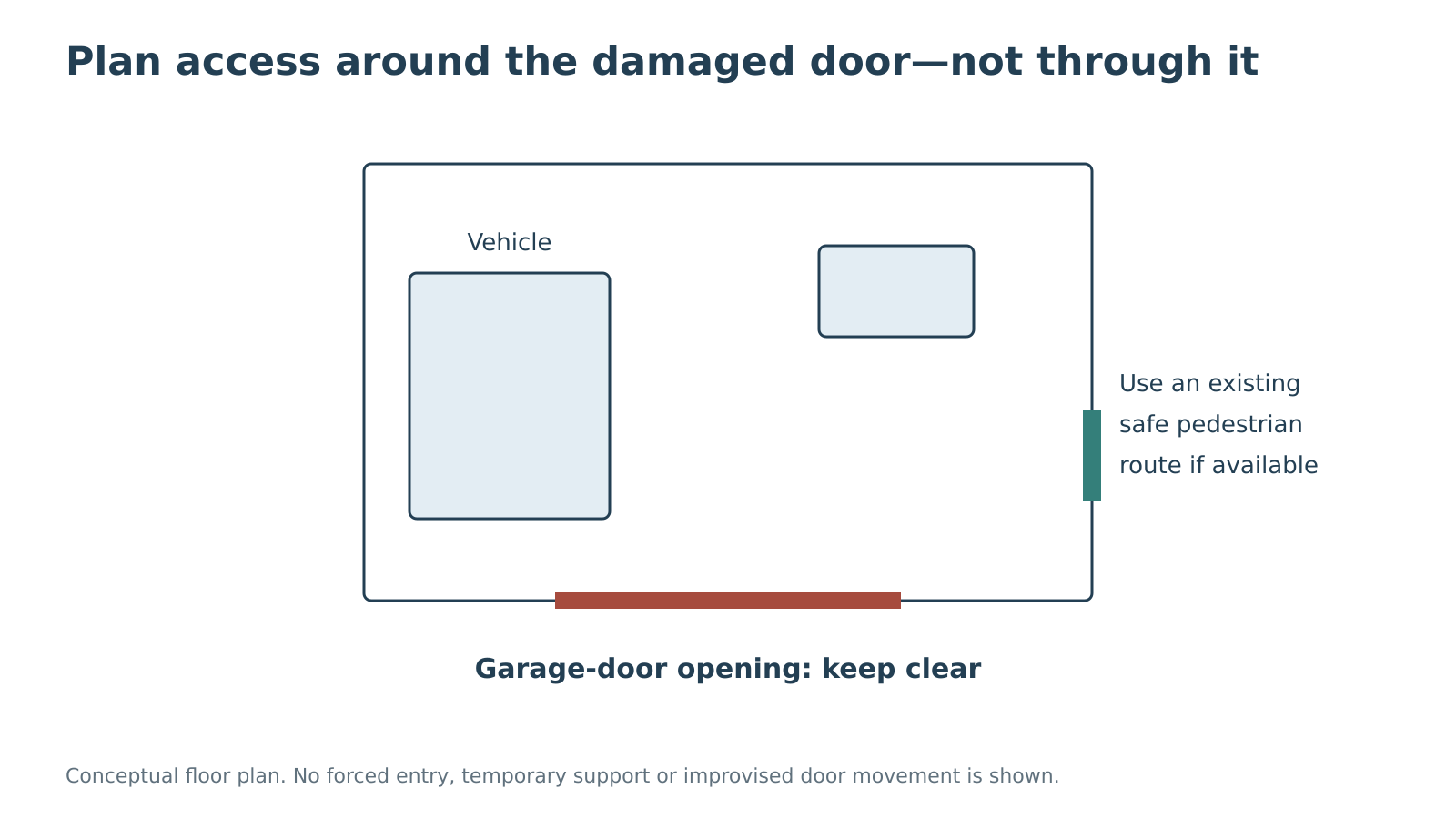
A trapped car creates pressure to “just get it open once.” That pressure is understandable, but it does not change the mechanical uncertainty. When booking help, explain whether a vehicle is inside, whether the garage is attached to the home and whether a separate pedestrian entrance is available. Those details help plan access without turning you into the person who must lift the door first.
Use an alternate entrance only if it is safely accessible. Do not crawl under a partly open door, climb through the opening or stand below it while someone operates a control. Leave objects near the mechanism where they are if collecting them would require entering that area.
If someone needs medication, equipment or another essential item inside, describe that need to the appropriate assistance provider. Do not let an urgent retrieval become an improvised door-opening attempt. Immediate threats to a person require emergency assistance; routine access and mechanical repair are different service needs.
Ask the garage door provider what they need to know before arrival and what access restrictions to maintain. A scheduling conversation should not require you to bypass a sensor, release the door or loosen hardware. If a requested photograph cannot be taken safely, say so and explain the limitation.
 Select the diagram to view it at full size.
Collect useful evidence without recreating the drop
From a safe location, take a wide photograph of the current door position. If a damaged-looking component is already visible, photograph it without reaching toward it. Keep the surrounding structure in the frame so the location is understandable. No image is worth standing beneath the door or handling a cable.
Write down the approximate time and sequence while they are fresh. Include whether the door had recently felt heavy, moved unevenly or undergone work. Keep any earlier service invoice available. A replacement section, insulation addition or recent hardware change belongs in the history even if you do not know whether it contributed.
Record any opener indication you already observed, identifying the actual light or display and the model if you have it. Do not press buttons to generate a code or count a fresh sequence. An old photo of the equipment label or a manual is adequate background until the technician can inspect the installed unit.
If another person witnessed the event, ask for their account rather than combining guesses into a single confident story. “The sound happened before the movement” and “I noticed the sound when it hit the floor” may mean different things. Save both observations when they cannot be reconciled.
 Select the diagram to view it at full size.
Why a reset or new remote battery does not clear the event
An opener reset concerns the operator’s controls or stored settings. It is not an inspection of the door’s support, counterbalance or physical damage. Even if the opener later accepts a command, that response would not explain why the door dropped.
Likewise, a sensor problem and a mechanical drop are different questions. Do not use a generic “door will not open” troubleshooting list to erase the most important fact in this case: the failure followed an unexpected closure. Tell the provider about the drop first, then about the refusal to open.
A successful opening after repeated attempts would still leave that event unexplained. Resist treating intermittent success as a repair. Avoid changing travel, force or other settings to make the symptom disappear, and do not replace a part merely because it appears in a search result for the same phrase.
If the original event was actually a normal powered close with an unusually hard final contact, describe it that way. It may lead the professional’s inspection in a different direction, but a reader should not have to prove the difference by running another cycle.
What needs resolving before use resumes?
The service assessment should establish the cause of the unexpected motion, the condition of the connected door system and any damage associated with the event. Ask what was found, what work is necessary and what checks will be completed before handover. The final explanation should address the drop—not merely the fact that the motor can now run.
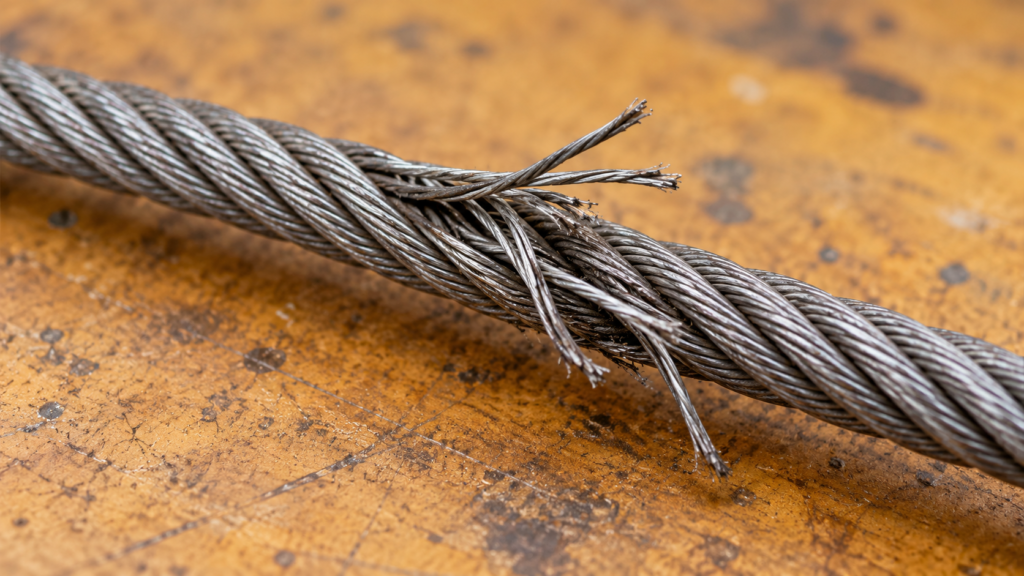
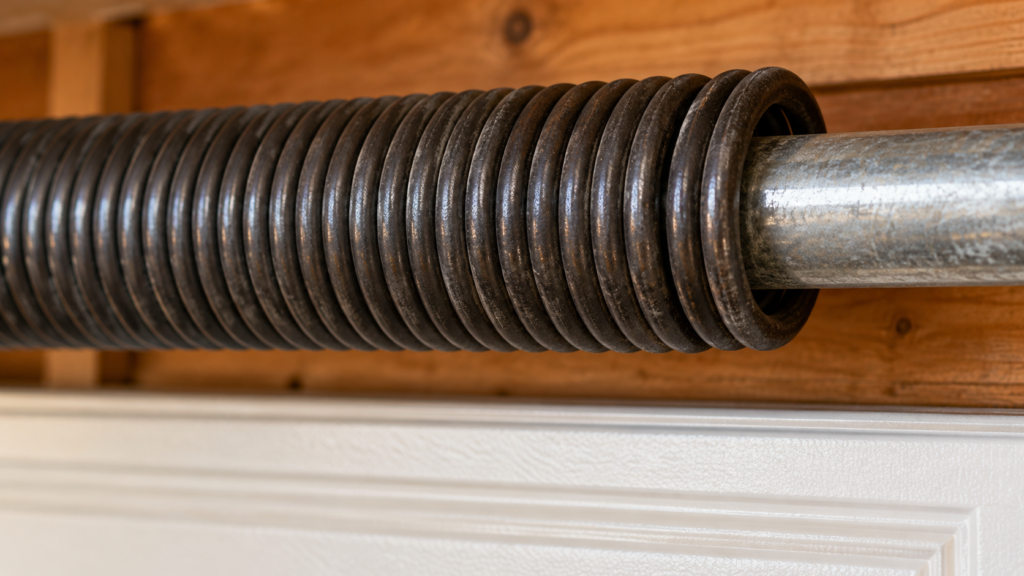
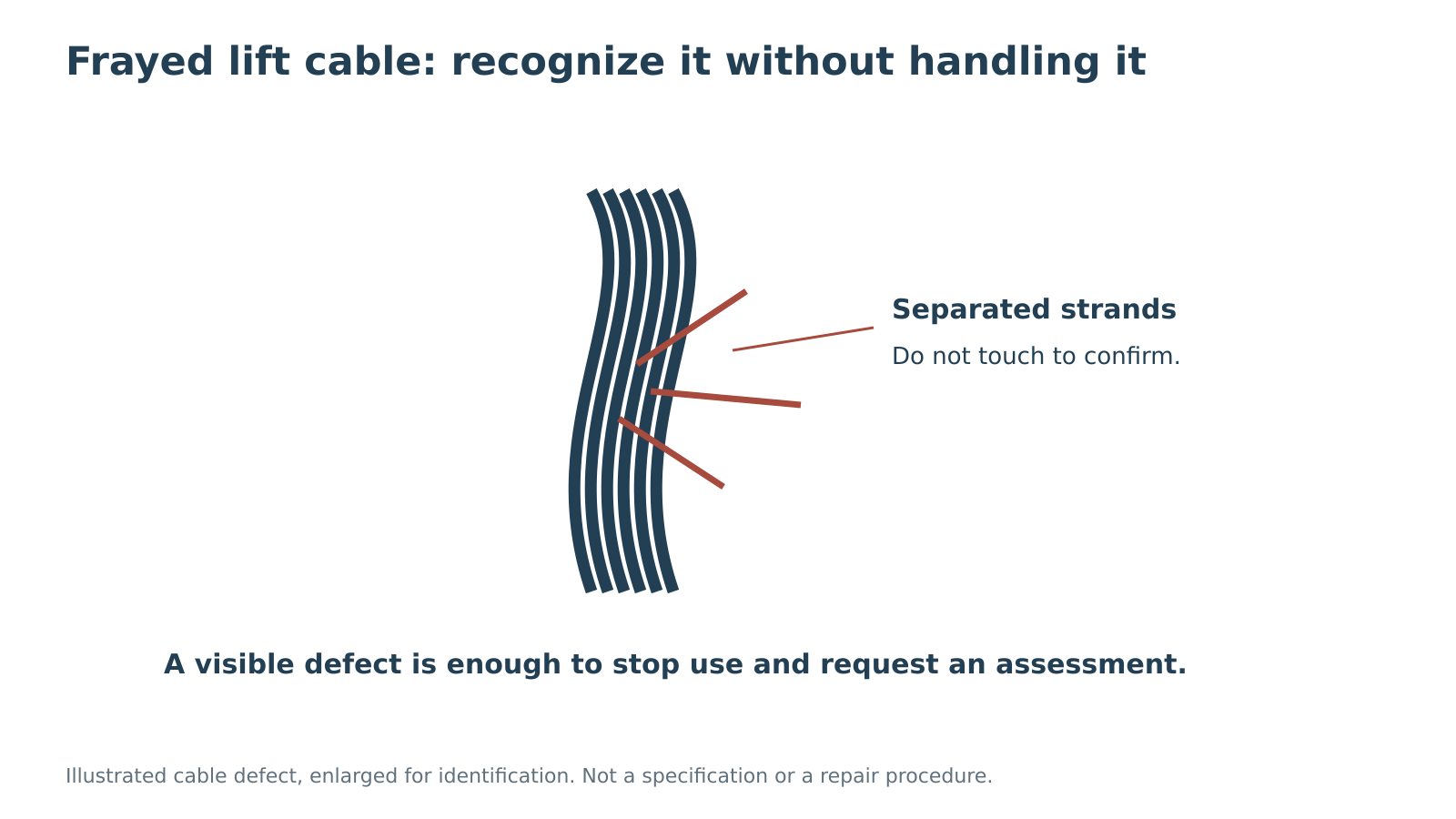
Genie’s maintenance guidance identifies springs and associated components as high-tension parts and directs problems with them to a dealer. Its cable guidance also identifies visible damage such as fraying as relevant to inspection. These are reasons to report what is visible, not instructions to handle or reconnect anything.
If the proposed work includes several components, ask which findings support each recommendation. Keep the estimate and final description of completed work. If there are remaining restrictions or a replacement part must be ordered, obtain a clear explanation of what the present condition means for access and use.
Do not interpret a temporary arrangement as authorization to operate the door unless the responsible professional explicitly explains the permitted use. A repaired appearance, a new remote or a cleared error display is not the same as that handover.
Make the service call specific
For professional help after an unexpected drop, see spring and counterbalance assessment. Local Garage Experts answers calls daily from 6 a.m. to 11 p.m. at (323) 924-8777, with free estimates, free diagnostics and no service call fee. State the current position, the access limitation and the event sequence when calling; do not assume an arrival time until it is confirmed. For urgent service availability, see emergency garage door repair.
If the assessment identifies a spring problem, our spring replacement safety guide explains the professional-service boundary. For this immediate situation, the priority remains straightforward: no more operating attempts, keep the opening clear and get the cause of the sudden closure established before the door returns to normal use.