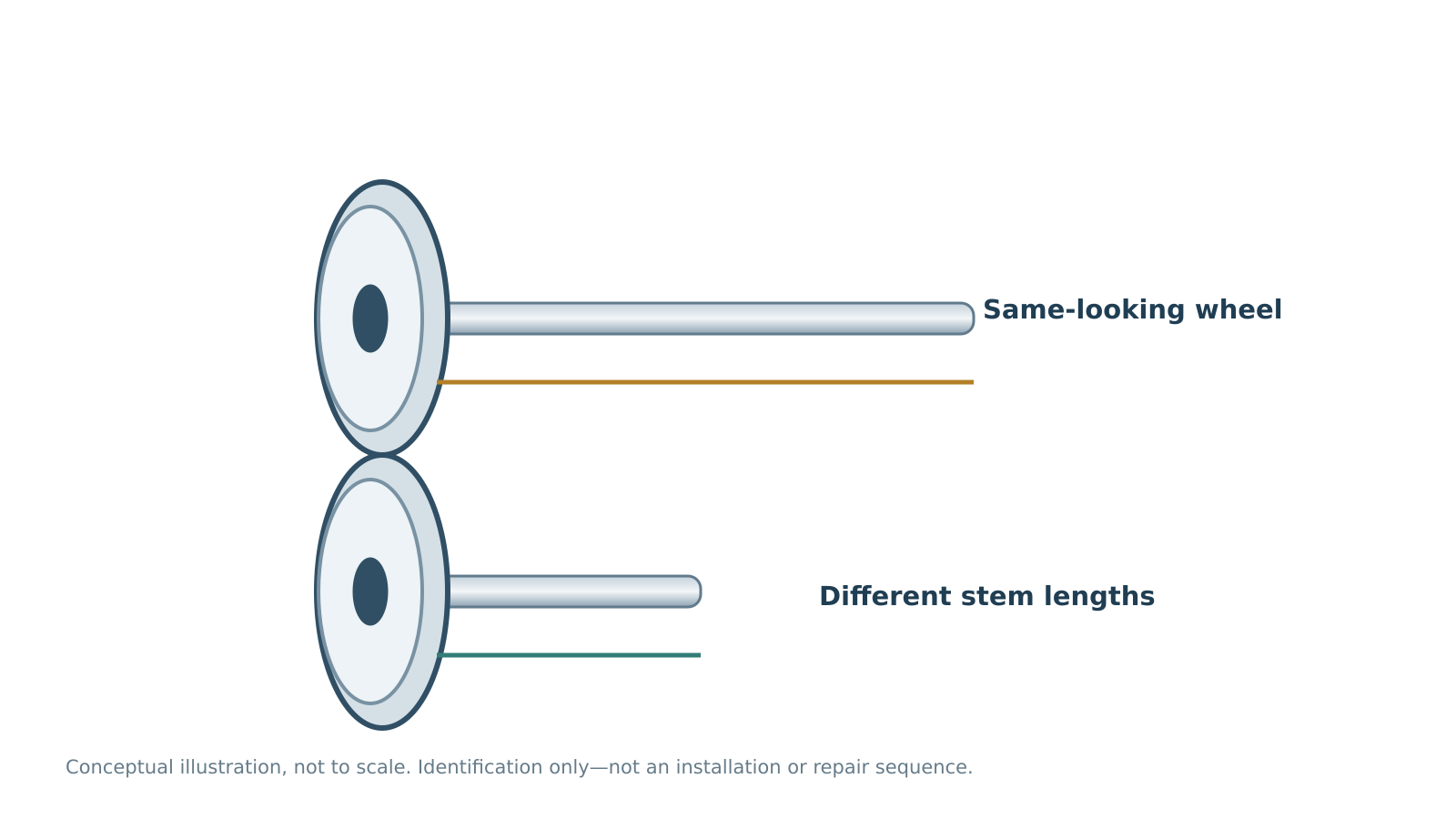
Appearance is not a complete compatibility specification.
Garage door rollers are not universally interchangeable. Diameter, stem dimensions and the documented door configuration matter; identify the correct part before ordering or attempting a trial fit.
Two garage door rollers can look almost identical in a shopping photograph and still be the wrong substitutes for one another. A familiar wheel color, a “standard” size label or a package marked universal does not establish compatibility with your door.
The safest purchase starts with identification, not removal. Find the door’s documentation, identify the relevant part specification, and let the supplier or installer confirm the match. This guide explains the information behind that decision so you can ask precise questions without taking the door apart to measure a roller.
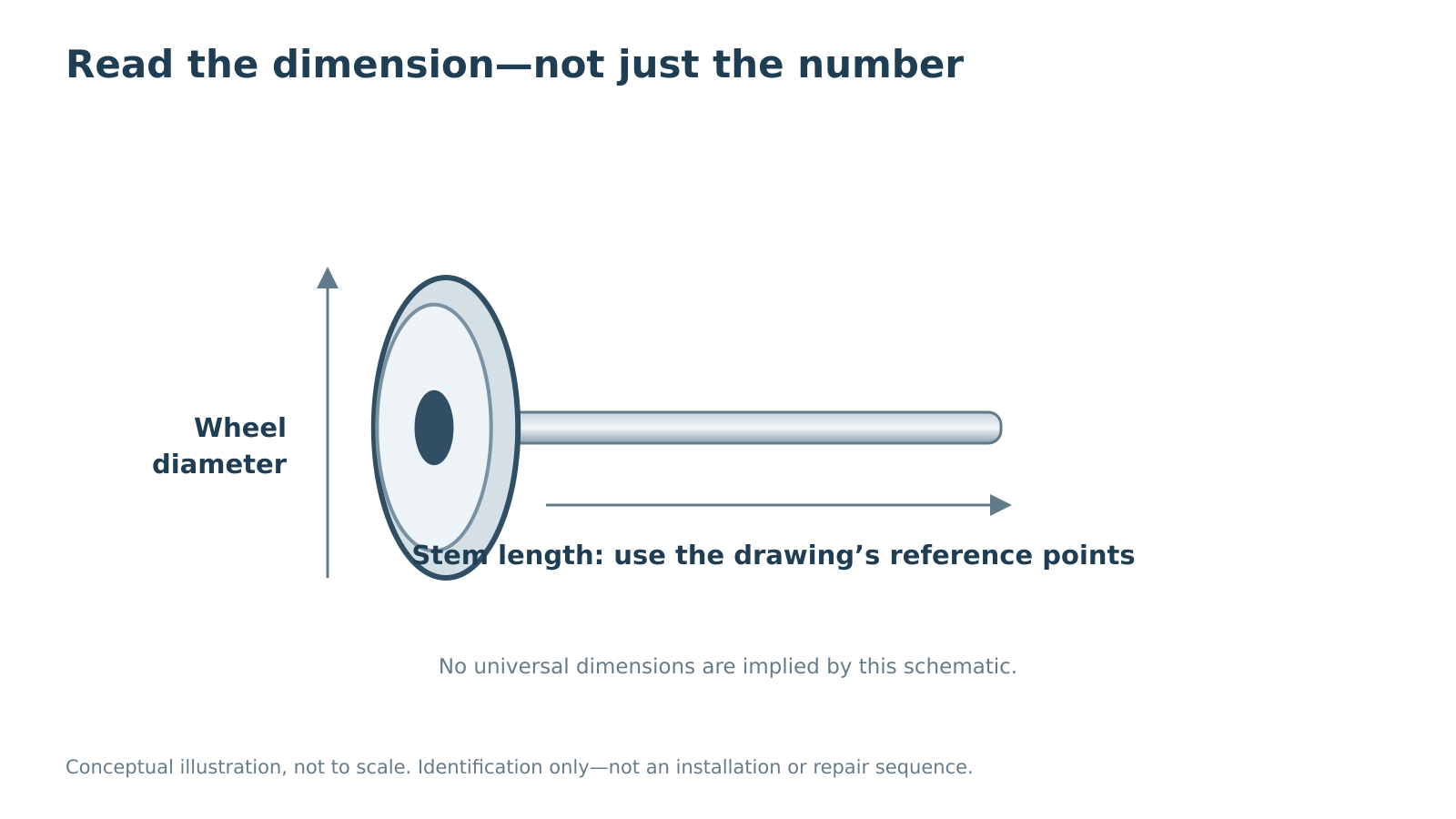
A roller has more than one dimension
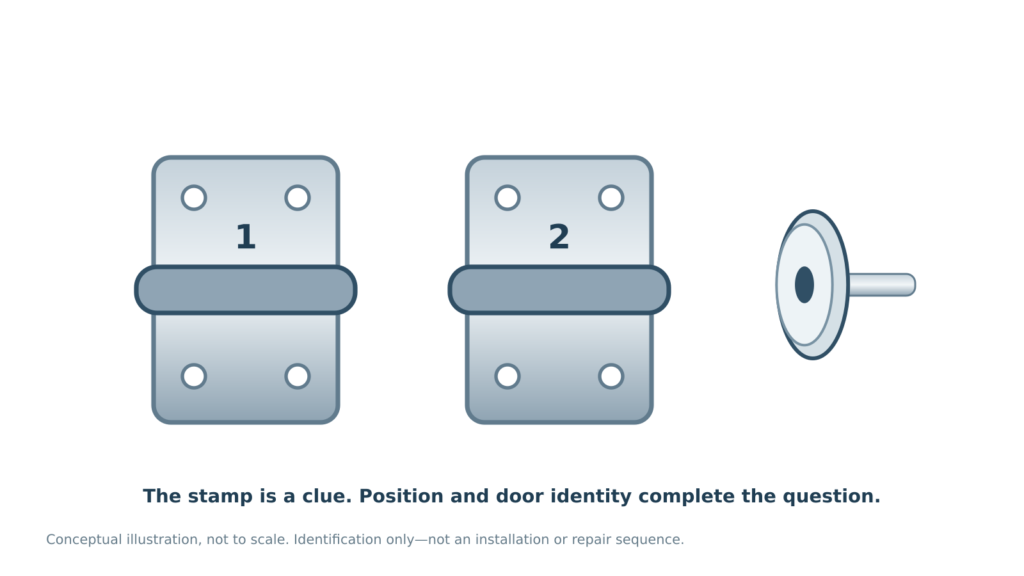
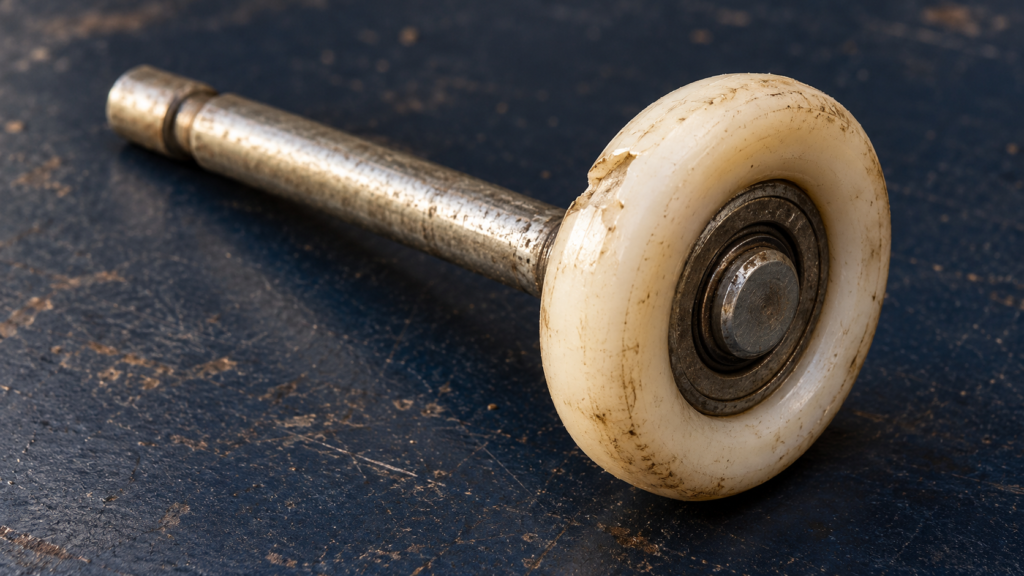
The wheel is only the most visible part. The stem extends from it and fits into the door’s roller-holding hardware. A listing that gives only a wheel size has not told you everything about the replacement. Clopay’s parts guide specifically calls attention to both roller diameter and stem length.
 Select the diagram to view it at full size.
Begin with the door, not the opener brand
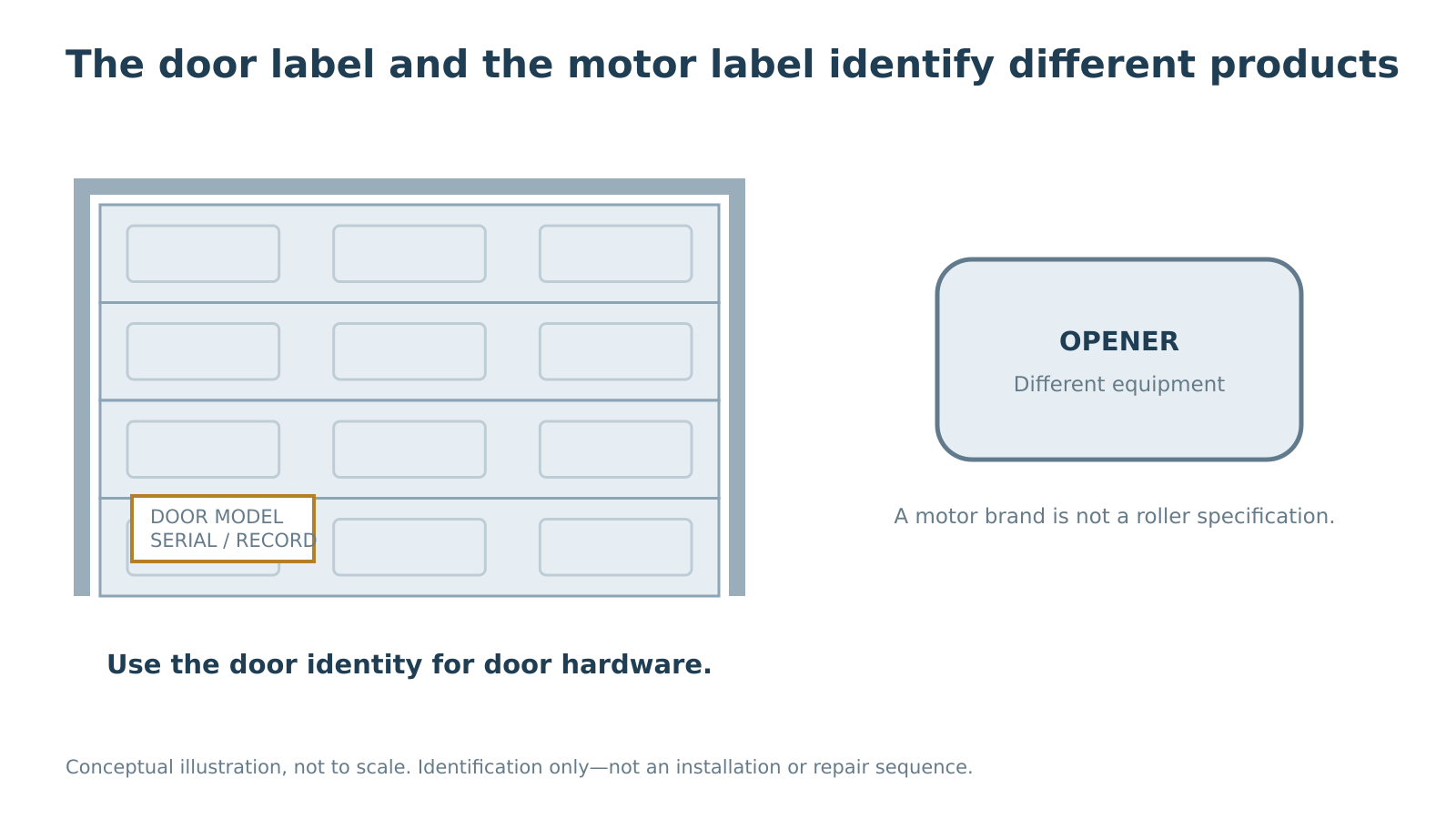
The brand on the motor unit may not be the brand of the door. Buying a roller because the opener says LiftMaster, Chamberlain or Genie confuses two separate products. Look for the door manufacturer and model on paperwork, a previous invoice or a safely accessible door label.
Record the complete information rather than only the brand. The same manufacturer can offer multiple constructions and hardware arrangements. If the label is inaccessible, damaged or missing, say so. A useful identification request combines any available paperwork with a wide photograph of the stationary door and a view of the relevant hardware taken without entering its moving path.
Do not assume that an apparently matching part on the other side proves what was originally specified. A door may have a service history you do not know. Ask the supplier to confirm compatibility against documentation, not simply to reproduce the appearance of an installed part.
Why “universal” needs an actual compatibility statement
Universal is useful only when the seller explains what it covers. Ask which door or track configurations the product is intended for, which dimensions are required, and whether any exclusions apply. “Fits most doors” leaves the most important question unanswered: does it fit yours?
A compatible component should not require improvising a new hole pattern, bending a track or forcing a stem into its holder. If a proposed substitute requires those changes, pause and request the manufacturer-supported explanation. The purpose of checking specifications is to avoid discovering the mismatch during installation.
Keep the seller’s written answer or product documentation with the order. If the description later changes or a different item arrives, you have a record of what was selected. This is more useful than a screenshot of a search-result title that omits the full part details.
 Select the diagram to view it at full size.
Material is a choice within compatibility—not a replacement for it
Steel, nylon and other wheel descriptions can matter when comparing suitable products, but material alone is not a fit specification. A quieter-material claim does not resolve a wrong stem length or an unidentified door arrangement. Establish the compatible options before comparing their advertised benefits.
Read maintenance information for the exact product rather than assuming every nylon wheel, bearing design or steel roller has the same care requirements. This article does not assign a universal lubrication rule or guaranteed service life to a material. If the seller offers a performance or cycle claim, ask which product it applies to and what conditions or limitations accompany it.
Also distinguish the wheel from the bearing and the stem. Marketing language can emphasize one feature while leaving other specifications unclear. A short, documented comparison of two confirmed compatible parts is more useful than a long ranking of parts that have not been matched to the door.
What information should go in a parts request?
Send the door manufacturer and model, the existing part identifier if known, the relevant location on the door, and the source of any dimensions you provide. If a value came from the manual, identify that manual. If you are unsure whether a number is nominal or measured, label it as uncertain rather than silently presenting it as exact.
A supplier can then tell you what is still missing. That conversation should happen before payment or scheduling, not after the door has been dismantled. For a professionally installed replacement, ask the service provider to handle inaccessible measurements and confirm the final part selection.
Avoid estimating wheel size from the count of door sections or from the width of the opening. Those observations can help identify the overall installation, but they do not replace the part specification. A photograph is supporting evidence, not a calibrated measurement instrument.
 Select the diagram to view it at full size.
The bottom position is a safety distinction, not a shopping shortcut
A question about a bottom roller is not just a question about choosing the correct wheel. On common sectional-door arrangements, the nearby bottom bracket is connected to the lifting cable. Clopay’s safety checklist warns that these brackets can be under extreme tension.
Do not remove that assembly to read a stamp, check a stem length or try a new part. A matched roller does not make unsafe access acceptable. Tell the installer which location is involved, and let the installation method remain within professional service. For the distinction between brackets and roller hardware, see the garage door bracket guide.
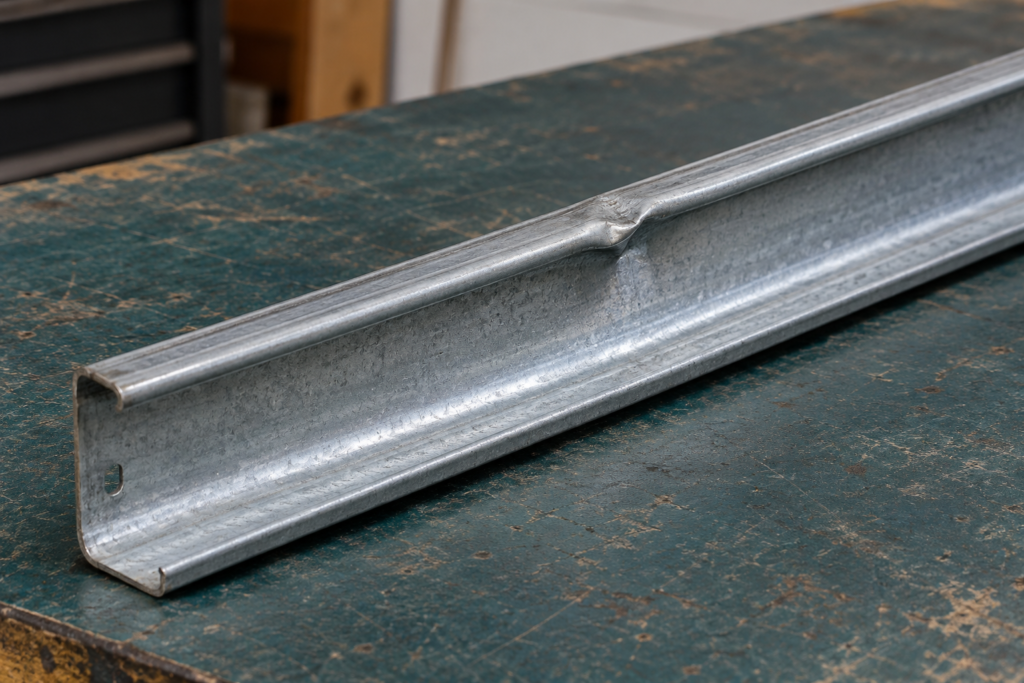
If the door is crooked, a roller is outside its track or a cable is loose, stop treating the task as a straightforward purchase. The system needs assessment before a replacement list can be considered complete.
Check the complete proposal, not just the unit price
When comparing an installed roller replacement with a retail pack, remember that they are different scopes. Ask what diagnosis, related-component inspection, labor and final checks are included in the installed proposal. This guide does not offer an invented local price range or assume that every door needs the same number of replacements.
If a contractor recommends replacing a set rather than one visibly damaged component, ask for the reasoning. If a supplier recommends a different part number, ask for the compatibility basis. Neither answer needs to be a sales pitch: a clear explanation can identify the documented replacement, the observed condition and the work needed.
Before the visit, keep access to the work area clear without moving a suspect door. Save packaging and part information after the job so future service can identify what was installed. Do not operate the door simply to test whether a newly delivered loose part looks similar to the originals.
A specification mismatch is a reason to ask, not to average
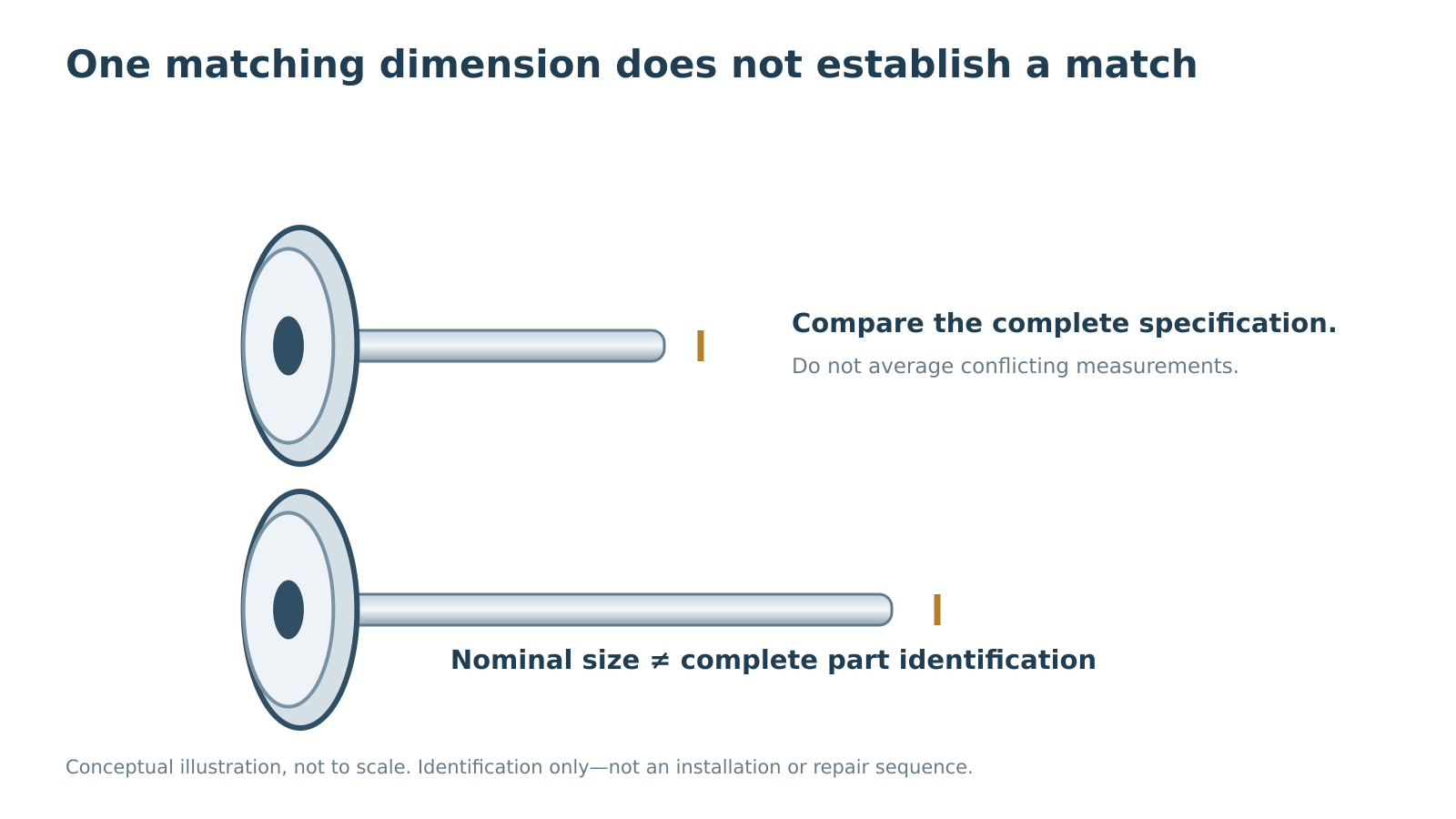
If the manual, listing and supplier response give different dimensions, do not choose a value between them. Confirm that they describe the same part, measurement and revision. A nominal wheel category, an overall-length value and a stem-only measurement can answer different questions.
Keep the disagreement visible in the request: quote each value and its source, then ask which specification applies to your door. Do not turn an uncertain measurement into an exact one by rounding it. A supplier who needs the old part measured can coordinate that through the installer instead of asking you to remove loaded hardware. This small documentation step is more useful than buying a part because its photograph appears closest.
The decision to make before ordering
A good parts request ends with a confirmed match or a clearly identified missing detail. It should not end with “probably close enough.” Where identification remains uncertain, an assessment is more useful than buying several alternatives and attempting trial installation.
If you first need to decide whether a roller looks damaged, use the separate roller-wear guide. If the door’s track or related hardware needs attention, track and roller service can address the system rather than only the replacement wheel.
Local Garage Experts answers calls at (323) 924-8777 from 6 a.m. to 11 p.m. daily, with free estimates, free diagnostics and no service call fee. Bring the model information you have; leave inaccessible measurements and loaded hardware to the service visit.
Sources & manuals
Use the documentation for the actual installed model..