Cover photo: Famartin · Source · CC BY-SA 4.0. Resized and JPEG optimized; full framing retained.
A garage door can be wide open while exhaust still creates a serious hazard. That makes this a different question from whether the opener works, whether the garage feels stuffy or whether you can smell fumes. The CDC warns against running a car or truck inside a garage attached to a house, even with the garage door open. This guide turns that warning into a practical household plan.
Why “the door is open” is not a safety test
CO has no color or smell that you can use as a warning. The EPA identifies automobile exhaust from attached garages as a potential indoor-air source. You cannot establish a safe concentration by looking at the opening, feeling a breeze or deciding that an engine has run for only a short time.
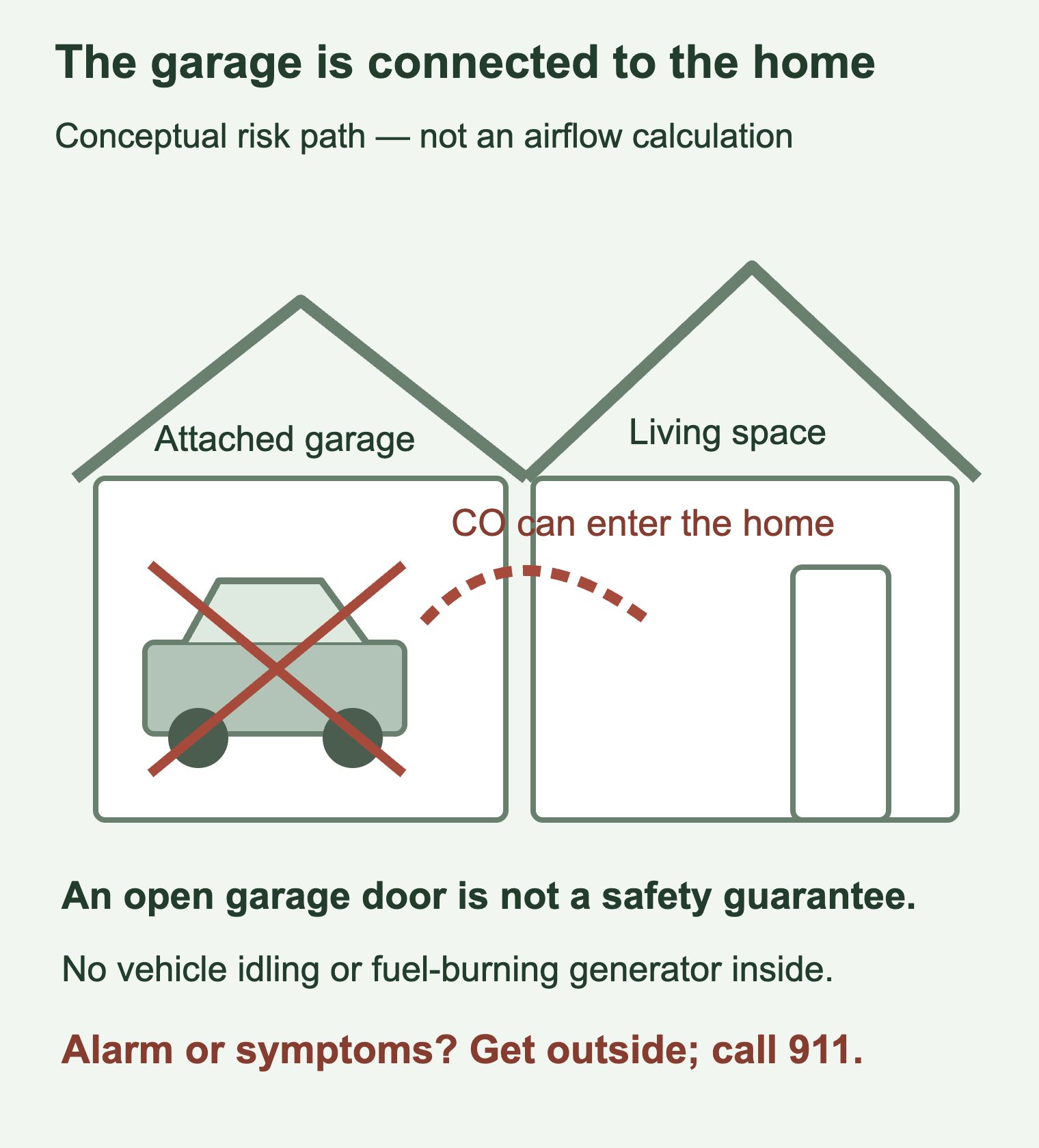
The diagram shows a possible connection between a garage and living space. It is not an airflow calculation for your house. Wind, building layout and equipment conditions vary. Do not use a fan, a cracked pedestrian door or a partially opened garage door as a home-designed substitute for the public-health advice.
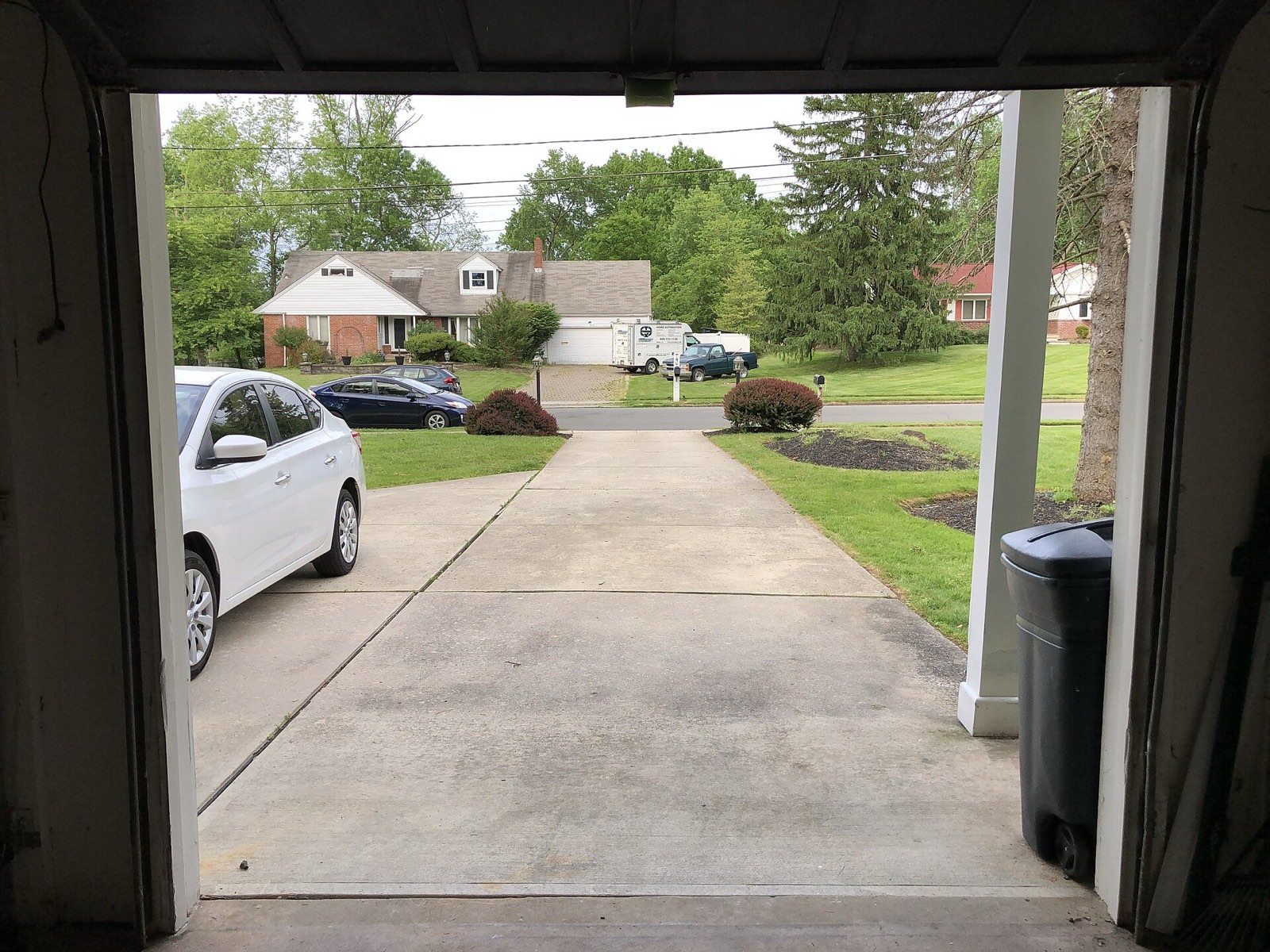
If you need to warm a vehicle, the EPA advises removing it from the garage immediately after starting it. Open the garage door fully before starting the engine, ensure the route is clear and avoid idling inside. If the garage door will not open, leave the vehicle's engine off and use another transport or service option. Repeated engine starts while troubleshooting an opener create a separate risk.
Make the rule work for remote starts and everyday routines
Discuss where the vehicle is parked before anyone uses a remote-start feature. Do not assume that another household member has already moved it outside. A phone confirmation that a vehicle started is not confirmation that the garage is safe to enter.
Keep the plan simple: the garage is a place to park, not a place to leave a fuel-burning engine running. If you are helping someone load the car, arranging a pickup or waiting for another person, move the waiting activity away from exhaust. Do not use an app or opener schedule as permission to leave an engine idling in an attached garage.
A portable generator is not a garage-door backup battery
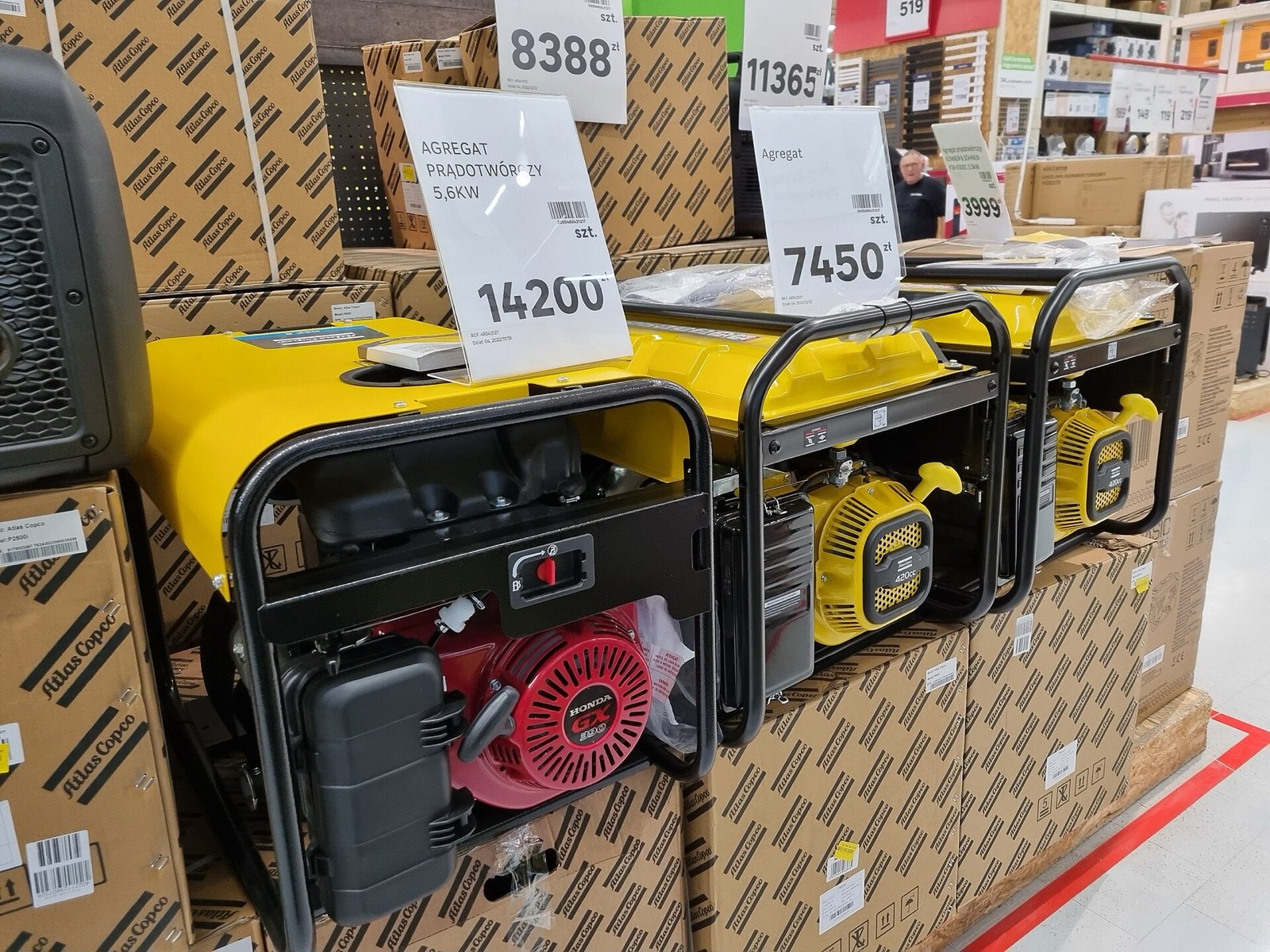
A fuel-fired generator creates exhaust. A garage door opener's approved backup battery is a different kind of equipment. Never put a portable fuel-fired generator in a garage, even with doors or windows open. The CDC advises operating generators outdoors more than 20 feet from windows, doors and vents.
A photograph of a generator is useful for identifying the kind of equipment being discussed, but does not establish correct operating placement. Follow the generator manufacturer's instructions as well as the public-health guidance. Do not improvise wiring, run a generator in a partly enclosed garage or treat the garage opening as a suitable exhaust route.
For the opener itself, the separate backup-battery guide covers model identification and the approved equipment. An internet outage, an electrical outage and a CO emergency need different responses; restoring the app is not the first task when a safety alarm is sounding.
Plan CO alarms using their own instructions
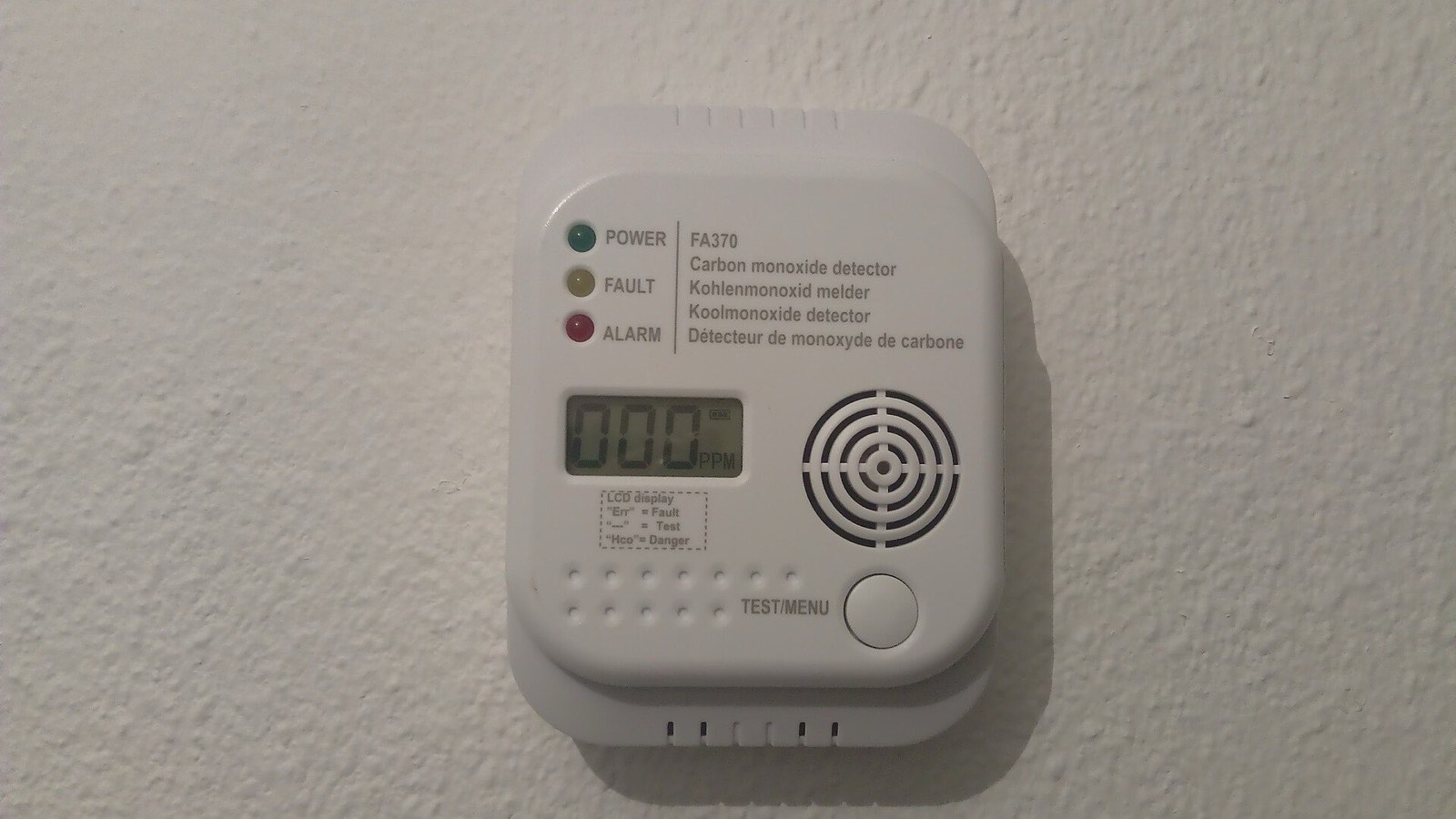
The CDC recommends battery-operated or battery-backup CO alarms near every sleeping area. CPSC also provides guidance on alarms throughout the home. Follow the installed alarm's instructions and applicable local requirements for location, testing, battery care and replacement.
Do not assume that a device suitable for a hallway is suitable for the temperature, humidity or other conditions inside a garage. Do not invent a universal mounting height from a picture. Keep the model number and manual available, and ask the manufacturer or an appropriate professional when the proposed location is uncertain.
A smoke alarm, a CO alarm, an opener's obstruction sensor and a garage camera serve different purposes. A door-position alert is not a CO reading. A working alarm also does not make indoor idling acceptable. Prevention and detection belong in the same plan, with neither used as a reason to ignore the other.
Know the emergency steps before you need them
Common CO-poisoning symptoms can include headache, dizziness, weakness, nausea, chest pain and confusion. They can resemble other illnesses, and absence of a noticeable smell does not rule out a problem. Do not use an online checklist to diagnose yourself or decide that it is safe to remain in the building.
- Leave for fresh air. If the alarm sounds or you suspect poisoning, move outside immediately.
- Call 911. Tell the dispatcher about the alarm or suspected CO exposure and follow instructions.
- Account for people. Tell responders if anyone may remain inside. Do not reenter to investigate or retrieve belongings.
- Wait for clearance. Reenter only when emergency responders give permission. Have the identified equipment serviced before it is used again.
CPSC specifically warns against trying to find the source after an alarm sounds. Avoid resetting a device and treating the silence as proof that the underlying hazard has gone away. Distinguishing an alarm signal from a maintenance chirp should follow the device's instructions; if you are uncertain or poisoning is suspected, prioritize leaving and getting emergency help.
Use a short household check before the next cold spell
- Everyone who uses a vehicle knows the no-idling rule for the attached garage.
- Remote-start users confirm where the vehicle is parked.
- CO-alarm manuals, replacement information and test procedures are accessible.
- Fuel-burning appliances are maintained by qualified personnel.
- An alternative plan exists if the garage door will not open.
The winter garage comfort guide addresses heating and draft planning. Neither closing drafts nor making the garage warmer changes the CO precautions here. If the opener has a fault, address it through the power-outage and opener troubleshooting guide after the area is safe. A door technician can assess the door; emergency responders and qualified appliance professionals address suspected CO exposure and its source.